
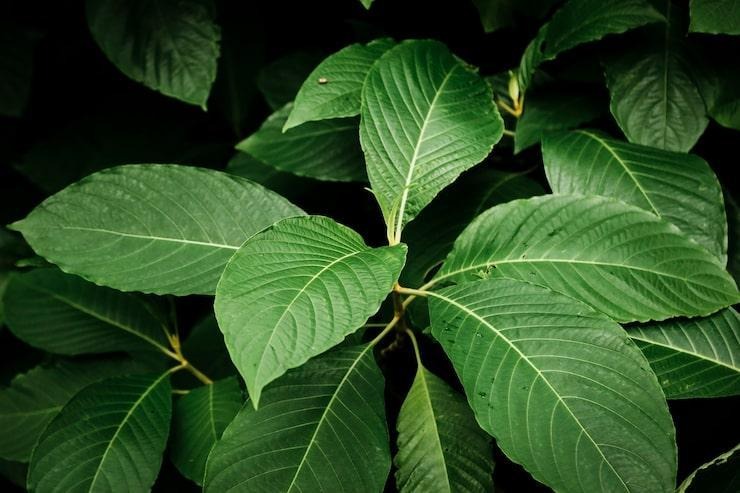
Red kratom is a potent, relaxing strain. But something that people notice immediately is the dark color. And when you touch it, it feels smoother and even more refined compared to other types. That makes most people think that it must come from a completely different plant. Or maybe it’s a rare strain. But that’s not really the case—it’s in the process behind it.
So, it’s not the plant itself that is different. It’s in the processing, starting from the way you pick the leaves, store them, dry them, and grind them into powder. Everything that happens here plays a role in determining what you end up seeing or feeling when you interact with red kratom.
Red kratom is the result of careful practices made during the harvesting and post-harvest treatment processes. The goal is to get a specific color, texture, and overall consistency.
To understand why red kratom is unique, here is everything you need to know about how the process works.
Understanding Red Kratom Strains Processing
When you see quality red kratom strains, you’re seeing the result of a thorough process. Transforming the leaf into powder is well-designed to achieve a consistent color and texture.
Here’s how it goes:
Step 1: Picking Red Kratom Mature Leaves
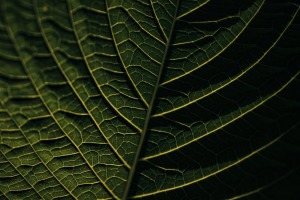
Harvesting the right leaves of quality sets the foundation. For red vein kratom, farmers don’t just pick any leaves. They go for fully mature ones—darker, thicker, and more fibrous than younger leaves.
At this stage, you can already see the difference. That’s because the veins usually take on a reddish tone as the leaves age. This maturity result matters as it makes them more durable, which is of importance for the next stages of processing.
Red kratom ends up looking different, and one of the reasons is that the raw material isn’t exactly the same as what’s used for other types.
Step 2: Kratom Fermentation to Change the Leaf Internally
After the harvest, the leaves are not dried immediately. Instead, they undergo kratom fermentation. This means storing them in enclosed or controlled environments for a few days. This period allows heat and moisture to accumulate naturally. That induces internal alterations in the leaf structure. It’s slow but deliberate.
During this time, the color deepens. What was once a green leaf gradually becomes darker and darker. This stage is critical. And without it, red kratom wouldn’t develop that signature darker look people recognize.
Fermentation is also where the subtle variation in texture begins, setting things up for what comes next.
Step 3: Kratom Drying to Lock Everything In
Once the fermentation is done, the leaves are moved into the drying phase. How stable the final product gets is determined by this step. Though it sounds simple, kratom drying process, is where a lot can go wrong.
Instead of drying in the sun, the leaves are usually dried in the shade. This controlled drying preserves the darker colour that develops as a result of fermentation. Sometimes, there’s minimal sunlight exposure—it helps balance moisture levels without altering the color.
When the drying is rushed or inconsistent, the effects show up in the end product. You’ll notice uneven color, rough texture, or visible fibers not properly broken down.
Step 4: Grinding and Refinement
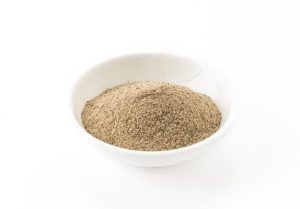
After drying, the leaves are ground into powder. This is where the effects of chosen production methods become clear. The difference between standard products and premium products really shows.
Basic kratom processing methods simply grind the leaves as they are. The reason that’s not the best approach is that it often leaves behind more fibers, resulting in a rougher texture. Reputable manufacturers use more refined methods to take quality further. Stems and veins are removed before grinding.
The result is a smoother and finer powder that has a consistent color. This is why some red kratoms feel soft, while others have a slightly coarse texture. For buyers seeking concentrated potency, this same attention to processing quality also applies to high-quality kratom extracts, where the extraction process adds another layer of precision.
How to Spot Premium Red Kratom
Buying red kratom online sounds easy; it’s supposed to be convenient, right? Just search for it, pick one, and check out. But it doesn’t go smoothly like that. Often, you end up with a weak product that doesn’t meet your expectations.
Here’s how to find well-processed red kratom and avoid disappointment.
- Appearance: Start with how it looks. Good quality red kratom should have a deep red or brownish-red color. Look for clear images to check colour. And when it arrives, check the colour, smell, and texture. It should be fresh and slightly earthy. If it smells dull, damp, or musty, that’s not a good sign. For texture, it should feel fine, close to soft powder, and not rough or grainy.
- Lab Testing: Good vendors test their kratom and share the results (COAs). That’s a reliable way to verify the product is clean and to know what’s inside it. If you don’t see this anywhere, be careful. This standard applies equally when you choose high-quality kratom extracts without overpaying — always demand a current COA.
- Look for proper certifications: This just means the product was handled in a clean, proper setup. It helps ensure good hygiene and quality consistency—things that serious sellers follow. Reputable vendors also follow rules set by the Kratom Association. So, it’s a good sign they care about quality.
- Seller’s reputation: Don’t buy before knowing what past customers say about the seller. Look for detailed reviews that explain how the product felt, how fresh it was, and how quickly it arrived. Avoid vague praise that doesn’t tell you much.
- Transparency: Good sellers don’t hide things. They tell you where the kratom comes from, like Borneo or Sumatra, and others curtail information like production standards and lab tests. That matters for safety.
- Packaging: To preserve quality, packaging should be sealed well. Airtight and easy-to-close-again packaging keeps it fresh.
- Price: Thorough processing is costly. If it’s too cheap, pause. Quality kratom isn’t the cheapest but not the most expensive either; the price should be reasonable.
Conclusion
Understanding how red kratom is processed allows you to appreciate the craft and even make better decisions when buying. You start seeing more than color, but the process behind it. And knowing what to expect makes a difference between guesswork and informed choices.
Red kratom looks and feels different due to how it’s processed. From perfectly timing kratom leaf maturity, to careful fermentation, drying, and thorough grinding, each stage builds off the other.
Reputable vendors follow strict kratom production standards, resulting in premium red kratom with a darker color and smooth texture. Explore our full kratom collection at Big Bear Kratom and find the strain that’s right for you.