
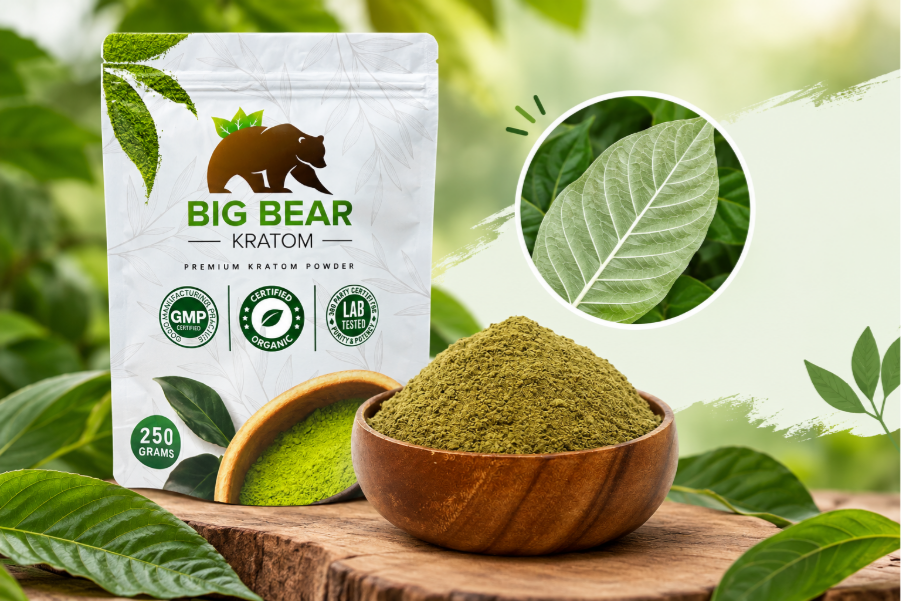
Key Takeaways
- White Elephant Kratom gets its name from a big, droopy leaf. Nothing more exotic than that.
- Ours comes mostly from Jongkong, a district in West Kalimantan on the Indonesian side of Borneo.
- The white, green, and red versions all grow from the same kind of leaf. Harvest timing and drying are what set them apart from each other.
- It sits alongside 10 other strains and blends in our selection of white vein kratom, and like everything we sell, it’s for lab research purposes only.
Elephant is one of those kratom names that’s easy to scroll right past. It sounds like it was picked to stand out on a crowded shelf, and it’s tempting to write it off as a gimmick.
If you’ve landed here asking what is elephant kratom, chances are you’ve already got a few white vein tabs open and a cart you haven’t checked out yet. That’s a normal place to be. At some point, every option starts to sound equally reasonable, and the name is the only thing left to go on.
So, let’s get past the name. There’s a simple story behind Elephant Kratom, and by the end of it, White Elephant Kratom should feel like one of the easier white vein strains for you to compare.
Table of Contents
- Why It’s Called Elephant Kratom
- Where White Elephant Grows
- Why It Counts as a White Vein
- White Elephant vs Green and Red Elephant
- White Elephant vs White Maeng Da and Super White
- Pouch Sizes and Lab Testing at Big Bear Kratom
- Ready to Order White Elephant?
- Frequently Asked Questions
Why It’s Called Elephant Kratom

Set a mature elephant leaf beside a regular kratom leaf, and you’ll see it straight away. It’s wider, it’s heavier, and the edges curl down as it ages until the whole thing hangs a bit like an elephant’s ear. Somewhere along the line, growers made that comparison, and the name stuck.
We put the leaf’s size down to a long growing period and patient cultivation. The tree is still Mitragyna speciosa, though. Same species as every other strain on the shelf.
Why You Can’t See the Leaf in Your Pouch
Here’s the odd part. The feature this strain is named after doesn’t survive processing. Once drying and milling are done, that big droopy shape is gone, and what’s left looks like any other fine kratom powder. A few things follow from that.
- Looking at the powder won’t tell you which strain it is, even if you’ve handled kratom for years.
- Big leaves are heavier, so a batch probably starts with fewer of them. You’d never know it from the finished product.
- What you can rely on is the origin the seller lists and the lab report for your batch.
Where White Elephant Grows

We source our White Elephant Kratom mainly from Jongkong, a district in Kapuas Hulu Regency, West Kalimantan. It’s not a name most people know, and that’s fine. It sits in the upper Kapuas River region on the Indonesian side of Borneo, where kratom has passed rubber in popularity as a plantation crop across West Kalimantan.
Researchers have paid attention to the area too. Jongkong was one of 14 sampling sites in a study comparing mitragynine levels across Kapuas Hulu, and another team looking at soil on Kapuas Hulu kratom farms found the mineral and peat soils there hold the nutrients these trees need.
Other sellers may give a different origin for their elephant strains, since the industry has no standard naming system. So go by the region on the product page you’re ordering from, and check it against that batch’s lab report.
Why It Counts as a White Vein
Look closely at any kratom leaf and you’ll find a vein running down the middle. Its color changes the longer the leaf stays on the branch. Vendors usually sort pale-veined leaves as white, mid-stage leaves as green, and the most mature ones as red.
So, the “white” in White Elephant Kratom is about timing and handling. The tree is the same one behind Green and Red Elephant. Timing also shapes what’s inside the leaf. A 2025 study in Frontiers in Plant Science found that harvest timing, genetics, and post-harvest handling all shift a leaf’s alkaloid makeup, which explains why two pouches with the same name can test a little differently.
How the Leaf Is Dried and Milled
Our White Elephant leaves start drying indoors and finish out in the sun. After that, we mill them down to a smooth, light green powder with a natural plant smell, and every batch heads to the lab before it ships.
White Elephant vs Green and Red Elephant
You can’t tell these three apart by leaf shape. They all grow that same wide, droopy leaf. The difference shows up in vein color, which tells how long the leaf stayed on the tree and how it was dried.
Green Elephant is picked around the middle of that window, and Red Elephant Kratom comes from the leaves left on the branch the longest. It’s easiest to picture them as one leaf at three different stages.
| Strain | Leaf Shape | Harvest Stage | Vein Color | Noted Profile |
| White Elephant | Large, drooping | Earliest | White | Commonly selected for daytime research sessions |
| Green Elephant | Large, drooping | Middle | Green | Balanced profile between white and red |
| Red Elephant | Large, drooping | Most mature | Red | Commonly selected for evening research sessions |
White Elephant vs White Maeng Da and Super White
This is probably the comparison people ask about most. So, White Elephant vs White Maeng Da, which is different? To find the answer, start with the leaf.
White Maeng Da grows from grafted stock that vendors commonly trace to Thailand, and these days it’s farmed in both Thailand and Indonesia. Its leaf usually has a sharp, jagged edge.
Kratom White Elephant isn’t sold as a grafted strain, and its leaf grows broad and rounded on its own. The two are different enough that blenders treat them as separate ingredients, and White Dragon, a white vein blend, often puts them in the same pouch.
Super White isn’t defined by leaf shape or region at all. Leaf shape and region don’t define it. We make it from select White Maeng Da harvests that test above 1% mitragynine, and that extra round of sorting is what separates Super White from standard white vein strains.
| Strain | Leaf Type | Origin | What Sets It Apart |
| White Elephant | Large, rounded, drooping | Kapuas Hulu, Borneo | Leaf size and growing region |
| White Maeng Da | Jagged, grafted leaf | Thailand and Indonesia | Grafted stock |
| Super White | Selected White Maeng Da leaf | Thailand and Indonesia | Graded above 1% mitragynine |
Pouch Sizes and Lab Testing at Big Bear Kratom

We sell White Elephant Kratom as a fine powder in five pouch sizes (25, 100, 250, 500, and 1,000 grams), priced between $10 and $175 CAD. Currently, we do not offer capsules for this product. Every size goes through the same testing, so a 25 gram pouch gets the same scrutiny as a full kilo.
That testing looks for heavy metals, pesticides, harmful bacteria, and other impurities, and it checks that alkaloid content stays consistent.
Why is testing important? Because imitation products do turn up. Researchers at the British Columbia Institute of Technology have found products sold as kratom that contained synthetic compounds instead of natural leaf alkaloids. A lab report tied to your batch is the easiest way to know you’ve got the genuine leaf.
Ready to Order White Elephant Kratom?
Health Canada hasn’t approved kratom for human consumption and has warned the public about unauthorized kratom products, which is why everything we sell is for lab research purposes only.
We ship to every province, and orders over $80 ship free. Your box shows up in plain, unmarked packaging with a free sample inside, and plenty of our customers tell us the handwritten note is their favorite touch. Our 30-day satisfaction guarantee covers every order.
Liked what you’ve read about the big leaf? Pick your size and buy White Elephant Kratom online today. Pay before 12 PM PST and we can usually get it out the door the same day.