
Key Takeaways
- Kratom comes from the leaves of Mitragyna speciosa (you’ll often see it written as M. speciosa), a tree in the coffee family.
- Red, green, and white “vein” labels refer to when a leaf was picked. They don’t mean a different plant.
- Most of what you’ll see is sold as powder, capsules, or extracts.
- Reputable lab tested kratom Canada sellers post a report for each batch, and you can open it before you pay.
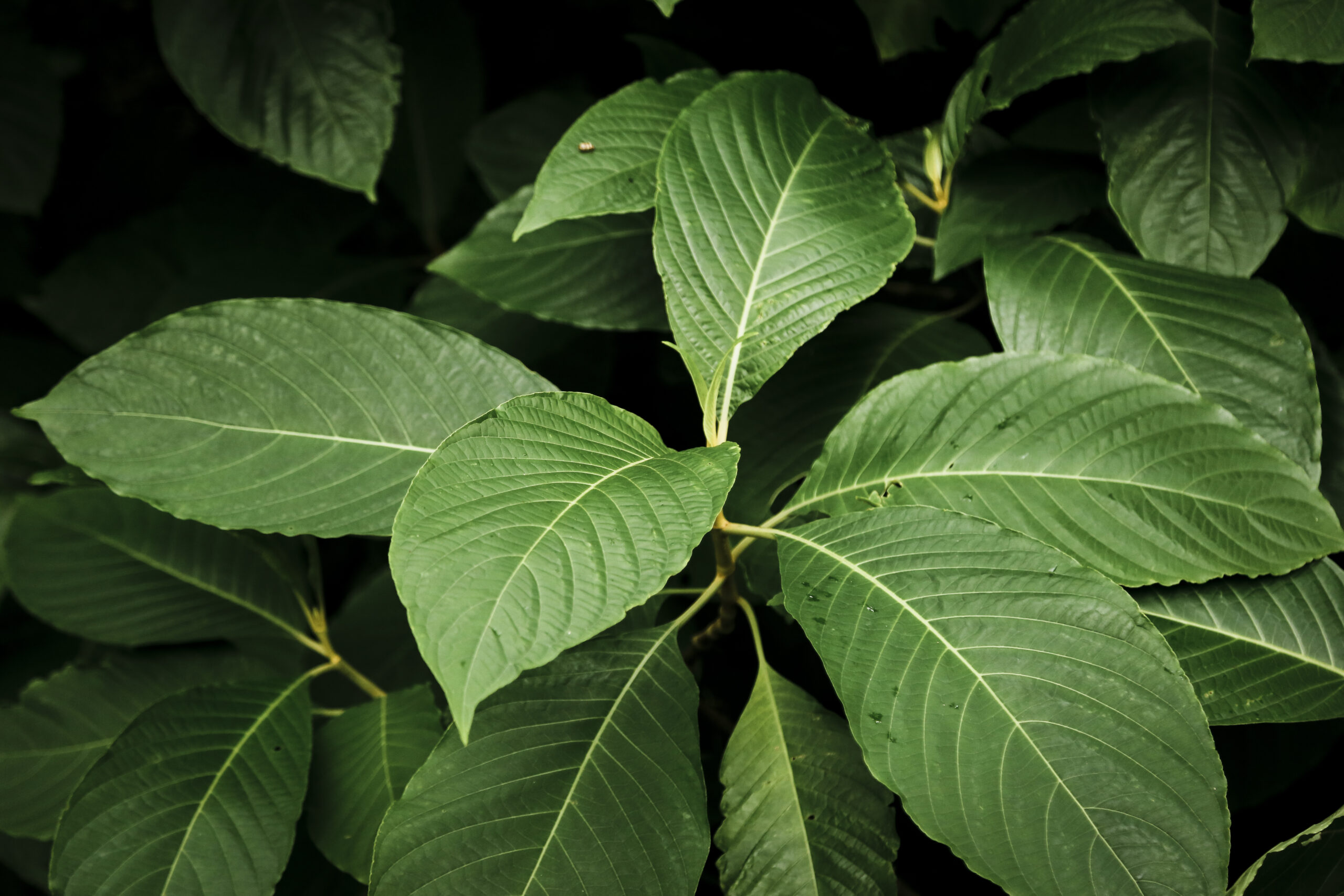
Kratom is the leaf of Mitragyna speciosa, a tropical evergreen tree in the Rubiaceae family, which also happens to be the coffee family. The tree grows naturally across Southeast Asia, in Thailand, Malaysia, Indonesia, and Papua New Guinea. Here in Canada, you’ll find it sold as dried leaf that’s been milled into a fine powder.
Type “what is a kratom” into a search bar, and you’ll get a pile of answers that don’t quite line up. One site says it’s an herb. The next calls it a supplement, and somebody else is sure it’s a kind of tea. Add strain names, color labels, and mixed messages about whether it’s even legal here, and it’s no wonder people close the tab.
Most of that confusion comes from blending three separate questions into one, like what the plant is, how it gets sorted and sold, and where it stands under Canadian rules. Take them one at a time, and it gets much easier to know what you’re buying when you shop for kratom in Canada.
Table of Contents
- Where Kratom Comes From
- What Red, Green and White Vein Colors Mean
- How Kratom Is Sold in Canada
- Kratom’s Status in Canada
- Why Lab Testing Matters
- Order Lab-Tested Kratom From a Canadian Vendor
- Frequently Asked Questions
Quick Answer: Kratom is the dried leaf of Mitragyna speciosa, a Southeast Asian relative of coffee. For kratom Canada buyers, two points come first. Health Canada hasn’t authorized the sale of any kratom product, and a lab report tied to the exact batch is the best sign you’re dealing with a trustworthy seller.
Where Kratom Comes From
Mitragyna speciosa is an evergreen that can grow to about 25 meters, roughly eight stories tall. Each kratom leaf is glossy and oval, usually somewhere around 8 to 20 centimeters long. The tree grows best in warm, humid climates, so you’ll find it in lowlands and along riverbanks in Thailand, Myanmar, Malaysia, Indonesia, the Philippines, and Papua New Guinea.
Locals have their own names for it. Malaysians call it ketum. In Thailand it’s krathom, which is pretty close to the word most English speakers know. Pieter Korthals, a Dutch botanist, first described the species back in 1841.
These days, most of the commercial leaf comes from farms. Growers pick it by hand, dry it, and mill it down to powder. The location of a farm can also influence a strain’s name. Red Hulu Kapuas kratom, for example, is named after the Kapuas Hulu region of Borneo, where the leaf grows along the Kapuas River.
The leaf also changes with its surroundings. A 2025 study in Frontiers in Plant Science found that a leaf’s alkaloid makeup shifts with genetics, season, and the way it’s handled after harvest. (Alkaloids are natural compounds that plants make.) So, if two pouches carry the same name but show different lab numbers, that’s likely why.
What Red, Green and White Vein Colors Mean

Every kratom leaf has a vein running down the middle. Most vendors explain that this vein changes color as the leaf matures on the branch, and they sort strains by the shade it shows when it’s picked.
- White vein leaves get picked early, while the vein is still pale.
- Green vein leaves come off around the middle, once the vein has turned green.
- Red vein leaves stay on the tree the longest, until the vein turns reddish.
Drying methods may also affect the powder’s final color, but the species stays the same. Red, green, and white kratom can all come from the same kind of tree.
Then there are the strain names. Bali, Borneo, and Maeng Da sound like places you could find on a map, and sometimes that’s exactly what they are. Others are said to come from old trade routes instead.
Most kratom Canada vendors sort their shelves by vein color first, so that’s a sensible place for you to start. At Big Bear Kratom, we keep our red vein strains, green vein strains, and white vein strains in separate sections, and each strain has its own description.
How Kratom Is Sold in Canada
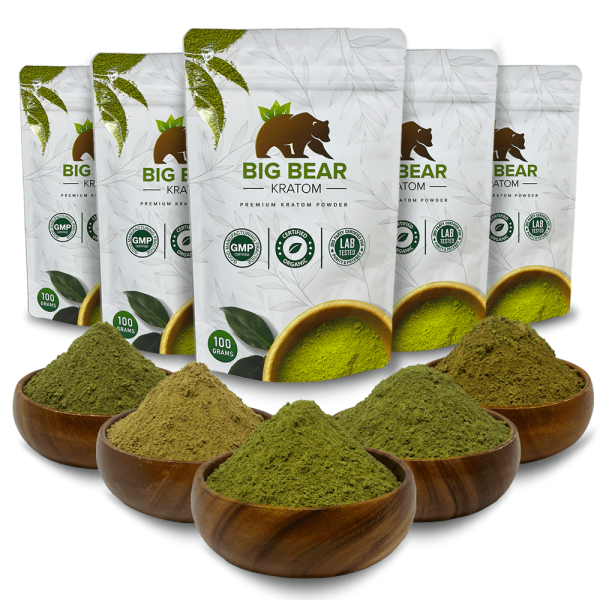
Everything you’ll see in kratom Canada shops starts out as the same dried leaf. The difference is in how it’s packed.
Powder
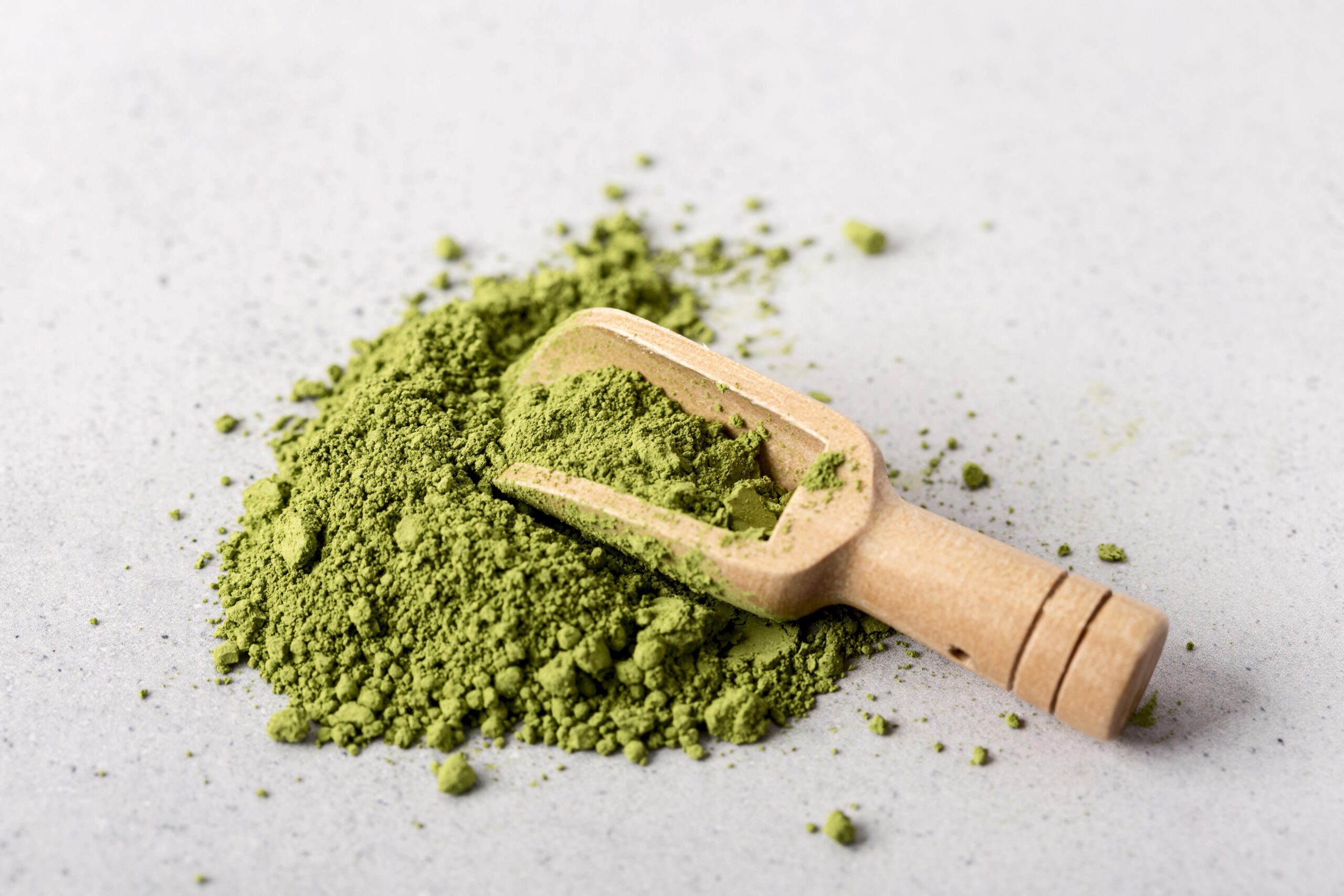
This is the format most people picture, and it’s where you’ll get the most strain choice. Big Bear Kratom packs its single strains in resealable pouches, and prices currently sit between $10 and $175 CAD, depending on the size.
Capsules
Capsules hold that same milled powder, only in a set amount. We fill 00 capsules with 0.5 grams each and put 250 in a resealable pouch, made from the same batches as its powder.
Extracts
An extract packs certain leaf alkaloids into less material, and it’s usually labelled by its mitragynine percentage.
Kratom’s Status in Canada
This is the part people most often get wrong. Kratom isn’t listed on the schedules of Canada’s Controlled Drugs and Substances Act, so owning it isn’t a criminal offense. But that’s only half of it. A Health Canada public advisory says plainly that the department has not authorized the sale of any product containing kratom.
That’s why you’ll see careful wording on any responsible kratom Canada website. If a seller is promising health benefits, they’re stepping outside that framework, and that alone is a good reason to shop somewhere else. It’s also worth checking how kratom is treated province by province before you order.
Why Lab Testing Matters

No government agency looks at a kratom batch before it ships here. That makes the lab report your best quality check. A certificate of analysis (COA) is the lab’s record of what it found in one specific batch, and when you open one, three things deserve a look.
- Results for heavy metals, pesticides, mold, and bacteria.
- A mitragynine reading, which helps confirm the material is genuine kratom leaf.
- A batch or lot number that matches the product in your cart.
The last one is easy to skip, but don’t. Researchers at the British Columbia Institute of Technology have flagged products sold as kratom that contained synthetic compounds rather than natural leaf alkaloids. Lab tested kratom in Canada should come with a report tied to your exact batch.
If a kratom Canada seller copies one generic certificate across every product page, it deserves a second look. We have our batches tested for heavy metals, pesticides, mold, and bacteria, and the same checklist works at any shop when you set out to find lab tested kratom for sale in Canada.
Order Lab-Tested Kratom From a Canadian Vendor
Once you know what a good label looks like, picking a seller gets a lot easier. You want a lab report for the exact batch, a shipping origin inside Canada, and honest wording that doesn’t promise anything about your health.
At Big Bear Kratom, we tick all three boxes. We’re an Ontario-based Canadian kratom vendor, and we source our leaf directly from producers. Orders over $80 ship free, every package comes with a free sample and a handwritten note from our team, every order is backed by our 30-day satisfaction guarantee, and repeat orders earn you Big Bear Bucks.
Ready to pick your first strain? Order kratom online from Big Bear Kratom today and have it shipped right to your door.