
Key Takeaways
- Red Bentuangie kratom is named after a fermentation step, not a separate plant or a single farm.
- The leaves come from western Borneo, mostly West and Central Kalimantan in Indonesia.
- Fermentation leaves the powder darker, earthier, and a bit denser than most red kratom strains.
- Red Bali and Red Borneo skip fermentation entirely, and that’s the easiest way to tell them apart from Bentuangie.
- Fermentation conditions shift between batches, so steady lab testing is extra important with this strain.
Put three or four red kratom powders next to each other, and there’s usually one that doesn’t quite match the rest. It’s darker. Not brick red, more of a deep reddish brown, and it smells earthier too. Chances are, that’s Red Bentuangie kratom.
What makes it different isn’t a rare tree or some secret farm deep in the jungle. It’s what happens after the leaves come off the branch. Most red kratom heads to the drying racks soon after picking.
Bentuangie leaves get bundled up and left to ferment for a few days first, and that small detour changes how the finished powder looks and smells. So, if you keep seeing the name and wondering why it gets its own listing, the fermentation step is the short answer. The longer one is below.
Table of Contents
- What Is Bentuangie Kratom?
- Where Does Bentuangie Kratom Grow?
- Why Is Bentuangie Kratom Fermented?
- Red Bentuangie vs Red Bali, Red Borneo, and Red Maeng Da
- What You’ll Notice When You Open the Pouch
- Keeping Bentuangie Fresh at Home
- Order Red Bentuangie Kratom Today
- Frequently Asked Questions
What Is Bentuangie Kratom?
Bentuangie kratom is a red vein kratom named for how its leaves are handled after harvest, with a few days of fermentation before they dry. That’s unusual. Most kratom names point to a place (Borneo, Sumatra, Thailand) or to the vein color at picking time. Bentuangie points to a process instead, which is why you’ll sometimes hear it called a post-processed kratom.
Underneath, it’s the same Mitragyna speciosa leaf you’d find in any other red, picked once it’s mature. Fermentation adds one more step on top of the drying methods that explain why red kratom looks different after processing.
Where Does Bentuangie Kratom Grow?
Bentuangie comes out of western Borneo, the third largest island on the planet. On the Indonesian side, West and Central Kalimantan are named as sources more than anywhere else, and that fits the overall pattern. West Kalimantan grows more kratom than any other part of Indonesia, with most of it grown in Kapuas Hulu and nearby areas such as Sintang and Ketapang.
The weather helps too. Fermentation needs warmth and moisture, and Kalimantan has no shortage of either. One thing you won’t usually get is the name of a specific farm. Most vendors stop at the province, and that’s normal across the kratom trade.
Why Is Bentuangie Kratom Fermented?

Producers ferment Red Bentuangie kratom because it changes the leaf in a way plain drying doesn’t. A regular red goes onto the racks soon after it’s picked. Bentuangie waits.
- Farmers pick mature leaves at the red vein stage.
- The fresh leaves get packed into sealed or partly sealed containers. Heat and moisture build up inside, and natural enzymes and microbes start working on the leaf.
- They sit like that for roughly two to five days, depending on the weather.
- After that, producers dry the leaves under controlled conditions and grind them into a fine powder.
To be fair, science hasn’t looked at this step very closely yet. A 2025 study in Frontiers in Plant Science notes that kratom processing after harvest is not well documented, but fermenting leaves before drying is one method reported in Southeast Asia.
What the researchers did show is that the way leaves are treated after harvest affects both powder color and alkaloid makeup. So those few days in a sealed bag aren’t only for looks.
Red Bentuangie vs Red Bali, Red Borneo, and Red Maeng Da
Red Bentuangie vs Red Bali tends to be the first comparison people search, with Red Borneo and Red Maeng Da close behind. Since all four are red veins, vein color won’t help you sort them. These details will.
| Strain | Commonly Linked Origin | After Harvest | What Sets It Apart |
| Red Bentuangie | West and Central Kalimantan | Fermented, then dried | Darker, earthier powder |
| Red Bali | Bali, Indonesia | Dried, no fermentation | Our most popular red vein |
| Red Borneo | Borneo, Indonesia | Dried, no fermentation | Named for the whole island |
| Red Maeng Da | Southeast Asia | Dried, no fermentation | Grafted stock |
Red Bali is the red most people measure the others against. Its leaves go straight to drying, so the whole gap between it and Bentuangie is processing.
Red Borneo is the closest match. Both come from Borneo, and Bentuangie tends to be a favorite among customers who already like Red Borneo. Red Maeng Da sits furthest away. Its identity comes from grafted stock, not from anything that happens after harvest. That grafted stock is the common thread across Red, Green, and White Maeng Da, with vein color marking the difference between them.
What You’ll Notice When You Open the Pouch
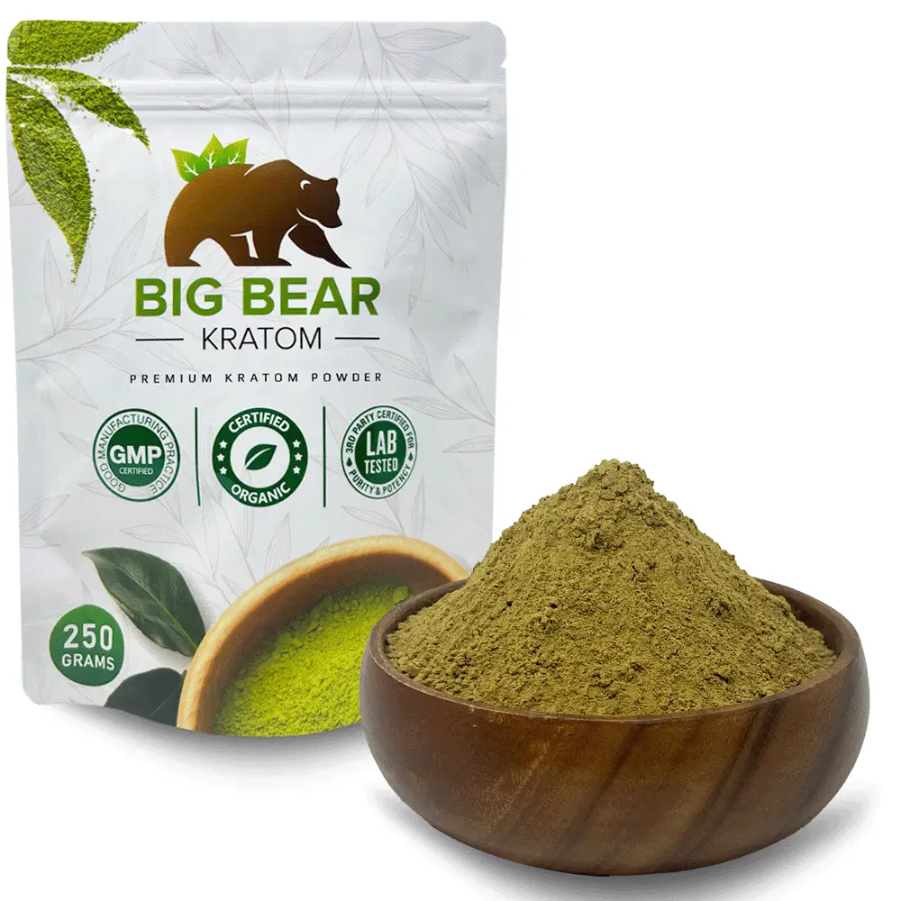
Put a bag of Red Bentuangie kratom beside a standard red, and you’ll spot the difference before you check either label. It’s a few shades darker than the brick tone most reds have. The smell is earthy, sometimes with a faint sweetness underneath, and a scoop of it can feel a little denser.
Don’t read too much into the color, though. The Frontiers team found that drying conditions alone can push kratom powder toward reddish brown, so a darker bag tells you more about handling than about alkaloid content.
Heat, humidity, and timing also change a little from batch to batch, which is why small shifts in shade and smell are normal for fermented kratom. It’s also why every batch we sell goes through third-party lab testing for identity, mitragynine content, heavy metals, and contaminants.
Keeping Bentuangie Fresh at Home

Bentuangie already had its one planned run-in with moisture. Once it’s milled into powder, you want the opposite, so keep moisture, heat, light, and air as far away as you can.
- Once the pouch is open, keep it tightly closed or tip the powder into an airtight glass jar.
- Choose a cool, dark cupboard away from the stove. The bathroom is the worst spot, since humidity there goes up and down all day.
- Keep it well out of reach of children and pets.
Order Red Bentuangie Kratom Today
If the darker end of the red vein family sounds like your kind of thing, you can order Red Bentuangie kratom in pouches from 25 grams up to 1,000 grams, priced between $10 and $175 CAD. Rather compare a few reds first? Build a custom kratom variety pack and add Bentuangie as one of your picks.
Every order ships from Ontario with a free sample tucked in, free shipping once you pass $80, and a 30 day satisfaction guarantee. Like everything we carry, Bentuangie is sold for research purposes only, since Health Canada has not approved kratom for human consumption. Go ahead and place your order today, then set Bentuangie next to the reds you already know.