
Key Takeaways
- Reputable kratom vendors comply with the AKA’s GMP standards.
- Credible stores source directly from Southeast Asia.
- Lab-test reports are a reliable indicator of superior-quality Canadian kratom.
- Reading online reviews can provide deeper insights into a store’s credibility.
- Health Canada advises kratom vendors in Canada against making misleading marketing claims.
- Secure payment methods, fast shipping, and responsive support all define a reputable kratom vendor.
Kratom has garnered significant attention in Canada for its distinct botanical profile. Originally from Southeast Asia, kratom is now explored by many Canadian researchers who want to analyze the plant’s unique characteristics.
However, a major challenge lies in finding trusted kratom vendors in Canada. While there are several kratom brands spread across the country, not every brand delivers on their claims. Thus, researchers must proceed cautiously when looking for Canada kratom.
To help your search, we’ve put together an informative guide to sourcing kratom in Canada. We’ll highlight some key indicators of a reliable domestic vendor and how to compare various Kratom products.
Table of Contents:
- Establish Legal Compliance
- Look for Sourcing Transparency
- Analyze Product Collection
- Check for AKA GMP Badge
- Read Reviews
- Look Out For Lab-test Reports
- Conclusion
- Frequently Asked Questions
1. Establish Legal Compliance
Kratom is legal in Canada for research and exploration. Presently, there’s no express legislation criminalizing the herb.
However, Health Canada hasn’t formally approved kratom. Vendors should adhere to strict labeling standards, including not marketing kratom as safe for humans.
To comply with Health Canada’s regulations and avoid costly product recalls, Canada kratom stores often include the following phrases on their products:
- Not for human consumption
- For research purposes only
2. Look for Sourcing Transparency
Although kratom is widely available across Canada, many Canadian kratom vendors source their products from the plant’s native region of Southeast Asia. Countries like Thailand, Indonesia, and Malaysia provide the ideal climate for kratom growth.
Publishing kratom sourcing information indicates store credibility. Besides, many researchers are generally interested in plants that are responsibly cultivated using organic and eco-sustainable methods.
3. Analyze Product Collection
Kratom comes in several strains, each having unique botanical traits.
It is commonly categorized into White, Green, and Red vein varieties. These categories are generally associated with vein color, harvesting practices, and processing methods that create distinct botanical profiles.
For example, Maeng Da Kratom by Big Bear Kratom is available in Red, White, and Green varieties, making it botanically distinct.
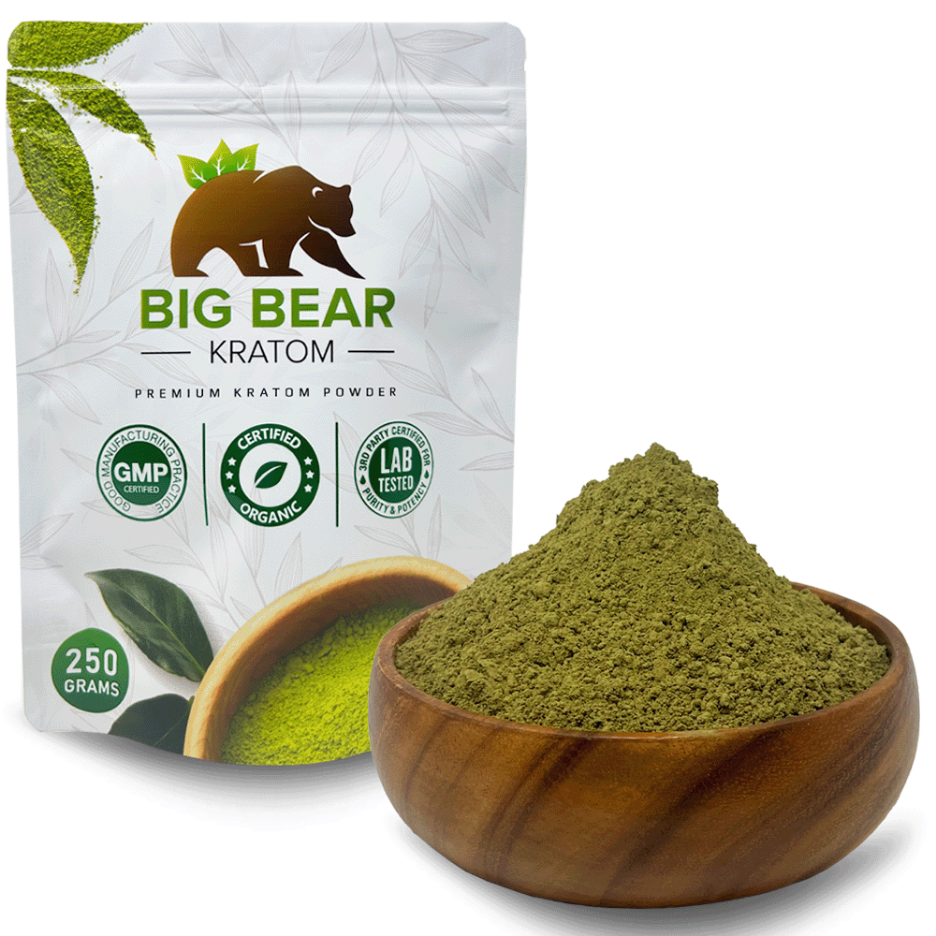
Besides strains, kratom comes in various formulations. Researchers generally access kratom in Canada in powders, capsules, and extracts.
4. Check for AKA GMP Badge
Botanical collectors prefer domestic kratom stores that comply with the American Kratom Association (AKA)’s Good Manufacturing Practices (GMPs).
The AKA’s GMP standards demand consistent adherence to strict manufacturing and packaging practices. Vendors undergo annual third-party audits before getting listed on the AKA’s website and subsequently earning a badge.
5. Read Reviews
Sample individual feedback on third-party websites to gain deeper insights into a vendor’s reputation. If a store consistently provides value, that should reflect in client testimonials.
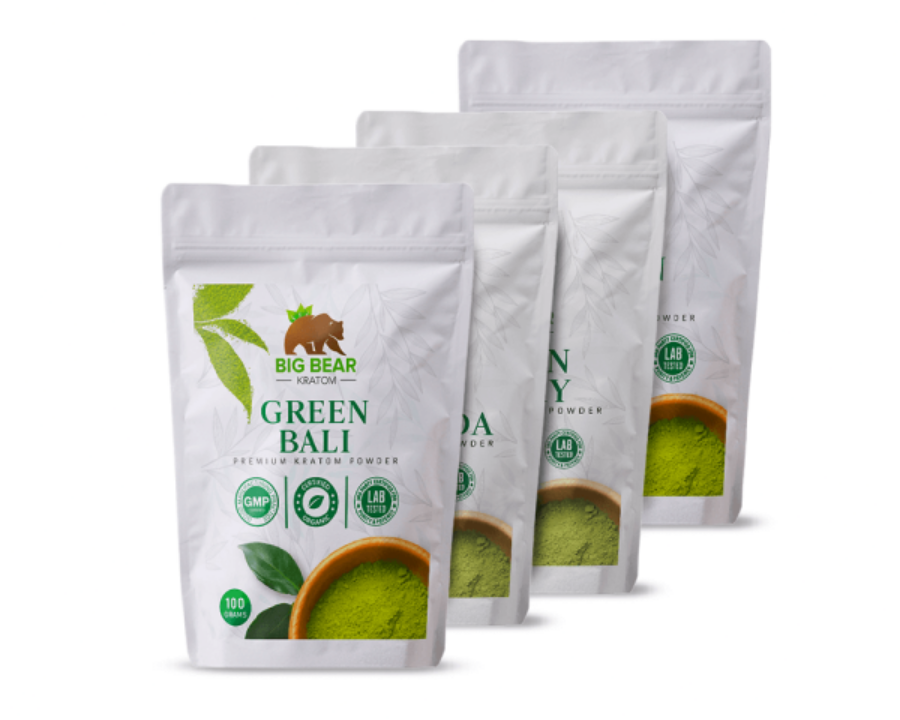
Researchers often sample reviews on individual products. For instance, Big Bear Kratom’s 100-gram variety pack has generated positive feedback among botanical explorers. The package contains 25 samples of four different kratom strains, including White Vein, Red Vein, Green Vein, and Maeng Da.
Other key things to check in customer reviews include;
- Payment methods: Focus on anonymity.
- Shipping policy: Many stores generally offer nationwide kratom shipping Canada.
- Return Policy: Some vendors offer 30-day money-back guarantees for unopened products.
- Responsive support
6. Look Out for Lab-test Reports
Kratom batches in Canada often undergo appropriate screening in independent laboratories before being released for sale. That explains why researchers typically prefer vendors that sell lab-tested kratom Canada.
The screening procedures culminate in Certificates of Analysis (CoAs), which detail the bioactive compounds in the tested batch. When exploring kratom online Canada, search for the CoA on a product description page.
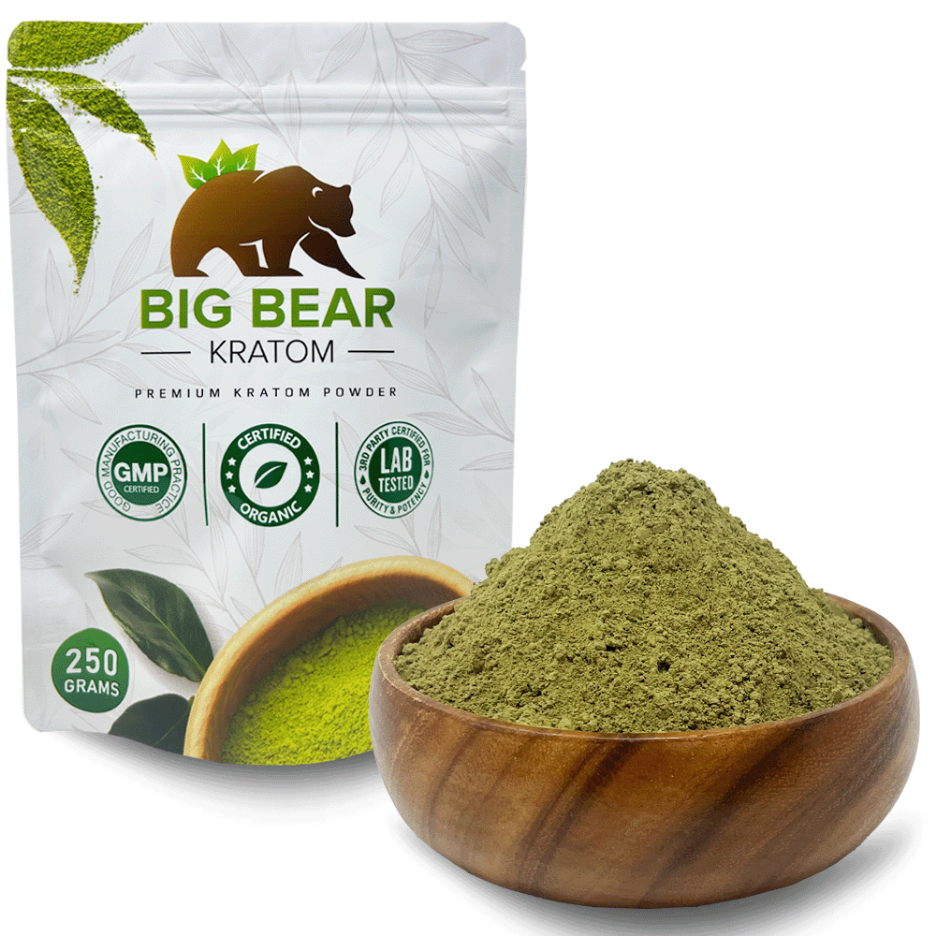
Green Elephant kratom by Big Bear is a botanically unique strain commonly selected for research evaluations. The product is lab-tested and GMP-compliant.
Access Quality Kratom
Because kratom is generally available in Canada, finding vendors is becoming increasingly easy. A simple online search might be all you need to locate a store near you.
However, the absence of a robust regulatory framework provides a breeding ground for unscrupulous traders. This explains why many botanical researchers exercise due diligence while shopping for Canada kratom products.
Big Bear Kratom is an established kratom vendor that offers lab-tested products sourced from Southeast Asia. We stock major kratom strains, including White Vein, Red Vein, Green Vein, and Maeng Da kratom. Explore our collection of varied kratom strains and product formats.
FAQs
1. Is kratom legal in Canada in 2026?
2. What is Health Canada’s position on kratom?
3. Can I legally access kratom online in Canada?
4. Why do Canadian kratom products say ‘not for human consumption?’
5. Do all provinces in Canada allow kratom?
6. Is it better to source kratom from a Canadian vendor or import from the US?
7. Can kratom shipments get seized at the Canadian border?
8. How do I find lab-tested kratom in Canada?
Canadian botanical collectors access lab-tested kratom by exploring products by reputable vendors. Reading CoAs may help you understand a product’s chemical composition before including it in a research session.
To preserve kratom’s quality, proper storage in a dark, dry, and moisture-proof room is paramount.