
Key Takeaways
- Green Malay takes its name from Malaysia, a country whose laws ban selling and exporting kratom, so the name points to a style more than a farm.
- “Long-lasting” is a nickname the trade gave it. No lab test measures it.
- Alongside Green Maeng Da, it’s one of the two most popular green kratom strains Big Bear Kratom carries.
- Health Canada hasn’t authorized the sale of any kratom product, which is why every batch is sold for lab research only.
Green Malay Kratom has a reputation that tends to arrive before the powder does. Most buyers hear the nickname first, the “long-lasting” green, and then notice that nearly every vendor describes the strain in the same handful of phrases, including deep color, smooth profile, and balanced character.
Seeing the same words everywhere can make a strain seem well understood. Often, though, it just means the same few lines get copied from page to page, with little proof behind them.
That becomes a problem when you’re trying to choose between greens with any real certainty. A label can give you a strain’s name and vein color, but it rarely explains how the leaf was harvested, why two batches sold under one name can test differently, or what genuinely separates this strain from Green Maeng Da, its most frequent rival on the shelf.
Those details shape what ends up in the pouch far more than any nickname does, and they’re worth understanding before you order Green Malay Kratom.
Table of Contents
- Where Green Malay Gets Its Name
- Why It’s Called the “Long-Lasting” Green
- Green Malay vs Green Maeng Da and Other Greens
- Pouch Sizes, Lab Testing, and Storage
- Order Green Malay From Big Bear Kratom
- Frequently Asked Questions
Where Green Malay Gets Its Name
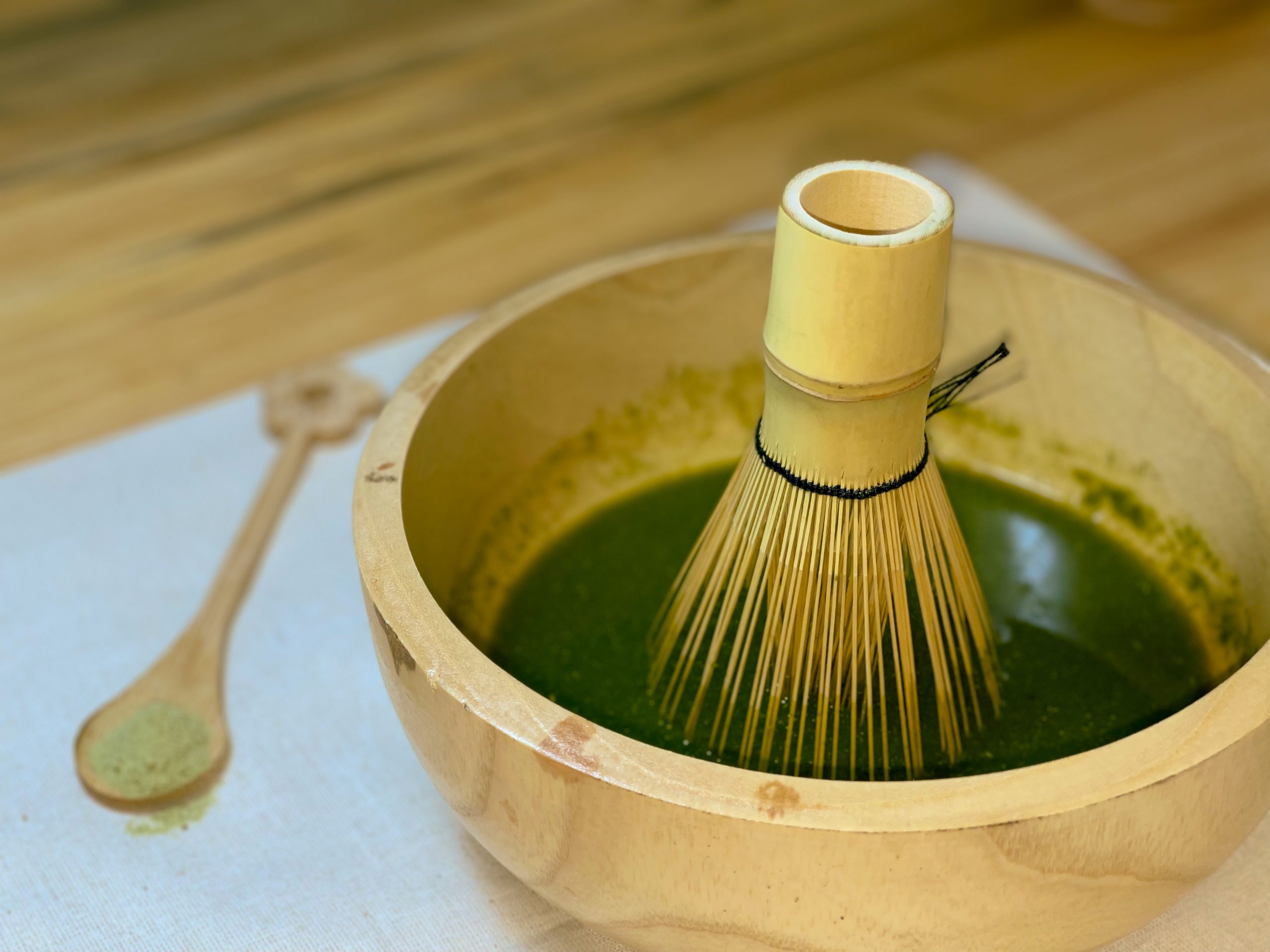
Green Malay Kratom is named after Malaysia, where Mitragyna speciosa trees grow naturally, and the plant goes by the local name ketum. You’d assume a pouch labeled Malay holds Malaysian leaf. That isn’t always the case.
According to a peer-reviewed paper in the UUM Journal of Legal Studies, Malaysia lists mitragynine, one of the alkaloids in kratom leaves, as a psychotropic substance under its Poisons Act 1952.
The same paper notes that selling, processing, transporting, or exporting kratom there can lead to prosecution, while the trees themselves are not illegal to grow. So “Malay” tells you which strain you’re looking at rather than where the leaf was grown. Big Bear Kratom sources its kratom from producers in Indonesia.
What “Green” Means on the Label
The vein color doesn’t indicate a different type of tree. Every leaf has a vein down its middle that darkens the longer the leaf hangs on the branch. Pick early and the vein stays pale, so it’s sorted as white. Leave it to mature, and the vein turns red. Green falls in between, which is why a few vendors also stock red and white Malay kratom.
Red and green leaves share many of the same compounds in different amounts, and research on alkaloid levels in red and green vein kratom shows the two sit closer than their labels let on. A 2025 study in Frontiers in Plant Science found that harvest timing, genetics, and drying conditions each change a leaf’s alkaloid makeup, so two pouches with the same green name can test differently.
Why It’s Called the “Long-Lasting” Green

The color is easy to explain. The powder has a vibrant green color, and at Big Bear Kratom, Super Green Malay and Green Maeng Da are the two most popular green vein strains.
The nickname is harder to define. Vendors and buyers have called Green Malay the “long-lasting” green for years, but no lab test measures it, and we don’t make claims about what any strain does to a person. A certificate of analysis covers different ground, showing whether a batch passed screening for heavy metals, pesticides, mold, and bacteria.
Green Malay vs Green Maeng Da and Other Greens
Spend any time comparing greens and the Green Malay vs Green Maeng Da question comes up fast.
Vendors often describe Green Maeng Da as grafted stock with a sharper profile. Green Malay has no breeding story attached. It carries a regional name, and most descriptions call it smoother and more even.
For a wider view, Green Vein Borneo, named after the island of Borneo, and Green Elephant, known for its larger leaves, are worth comparing too.
| Strain | Origin | Vein Color | Noted Profile |
| Green Malay | Named for Malaysia, sourced from Indonesia | Green | Smooth, balanced |
| Green Maeng Da | Often described as grafted stock | Green | Sharper, more concentrated |
| Green Vein Borneo | Island of Borneo | Green | Balanced, consistent |
| Green Elephant | Larger leaf | Green | Balanced |
There’s no single best green kratom strain, whatever a product page might suggest. It depends on the profile you want to compare, how much you want to order, and what the batch’s lab report says.
Pouch Sizes, Lab Testing, and Storage
Is this conversation helpful so far?
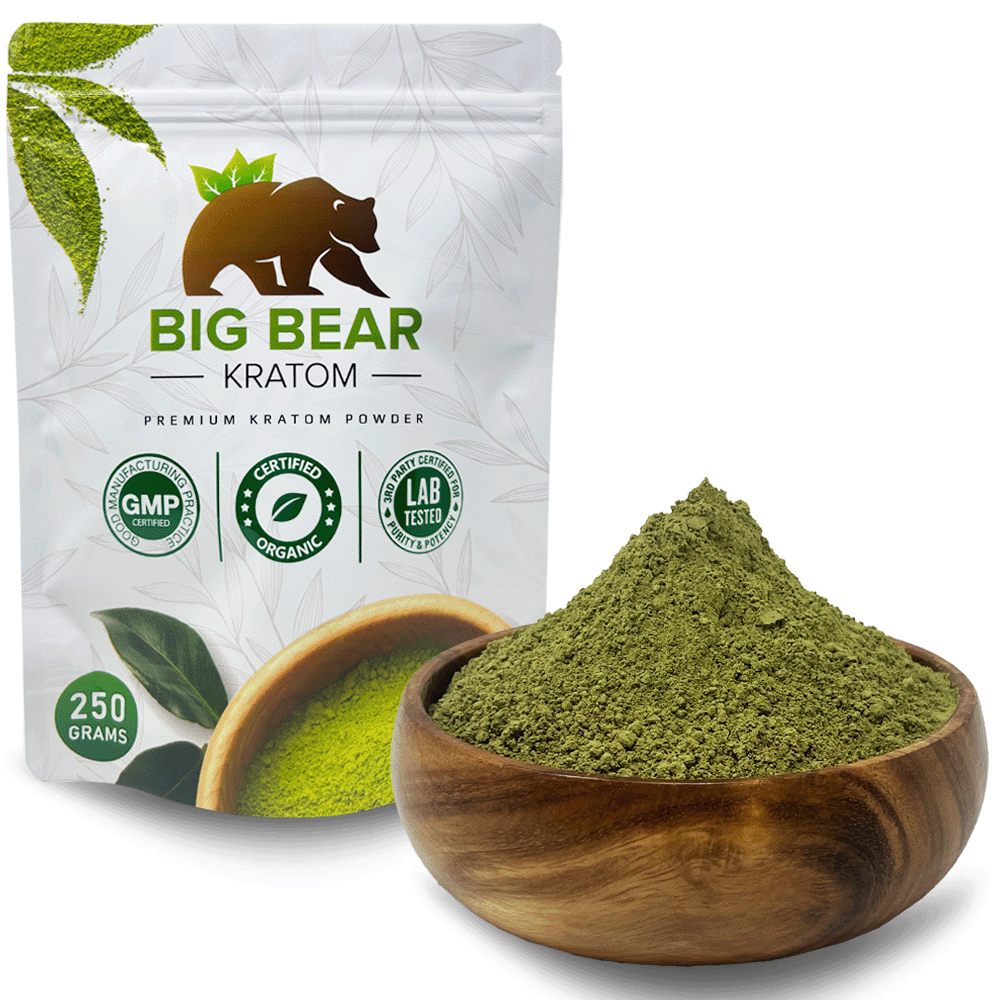
Big Bear Kratom lists Green Malay Kratom as Super Green Malay in resealable powder pouches of 25, 100, 250, 500, and 1,000 grams, priced between $10.00 and $175.00 CAD. A lab screens every batch for heavy metals, pesticides, mold, and bacteria before it ships.
Keeping It Fresh
- Keep the pouch sealed, or move the powder into an airtight container.
- Store it in a cool, dry cupboard away from sunlight, heat, and humidity.
- Keep it out of reach of children and pets.
Who Green Malay Tends to Suit
Green Malay Kratom often ends up on the list of buyers who already know Green Maeng Da and want a green with a different reputation to compare. If you can’t settle on one, the 300g Beginner’s Pack splits an order into three 100-gram pouches of any strains for $75.
Order Green Malay from Big Bear Kratom
Big Bear Kratom ships across Canada from Ontario, prices everything in Canadian dollars, and covers shipping on orders over $80. Every order includes a free sample and comes with a 30-day satisfaction guarantee.
Health Canada has not authorized the sale of any kratom product, so every batch is sold strictly for lab research purposes. Pick a pouch size, check the batch details, and order Green Malay Kratom today.