
Key Takeaways
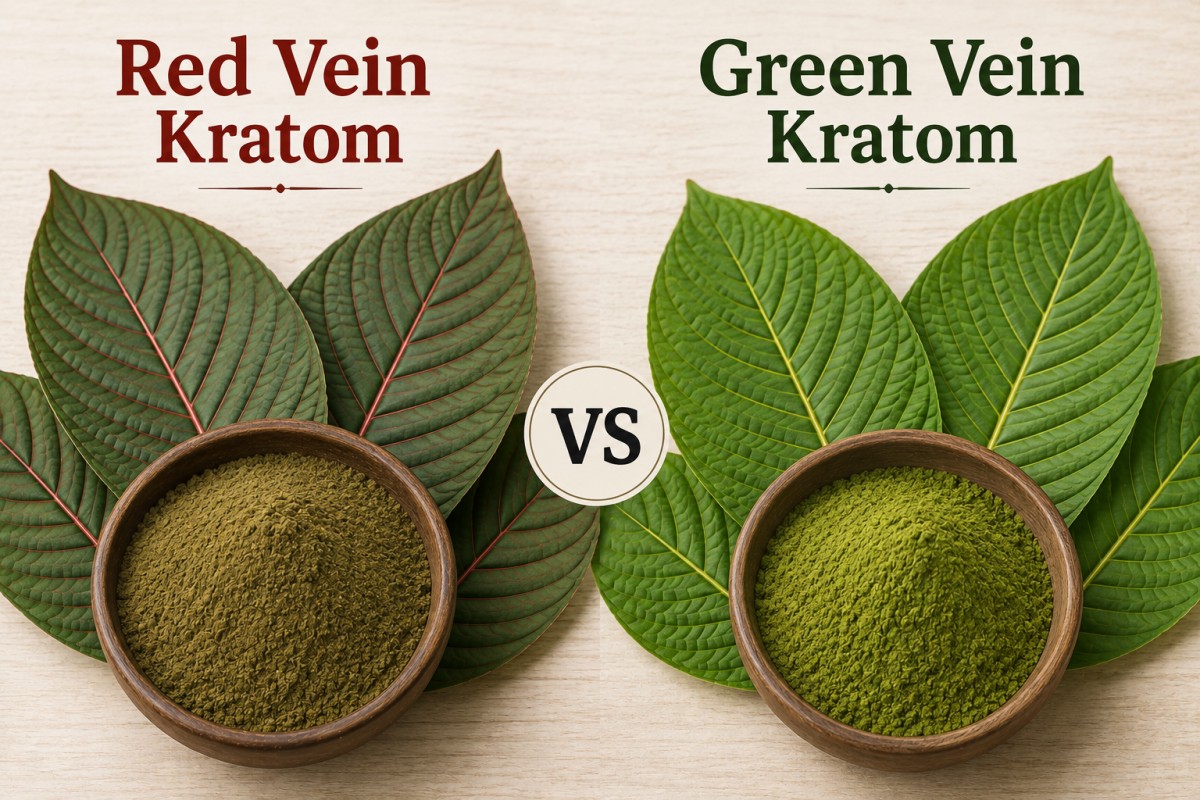
- All the different types of kratom — red, green and white — are derived from the same plant species, Mitragyna speciosa.
- Recent studies indicate that several factors such as genetics, cultivation practice, environmental factors and post-harvest processing techniques may affect alkaloid content.
- The color of the veins is a common method for categorizing and marketing kratom products, but should not be seen as a reliable marker of a product’s chemical makeup.
- Research looking into commercial Kratom products has indicated that while batches and brands may be marketed under the same vein classification, they can differ in their alkaloid content.
- Strain names and marketing descriptions do not give as accurate a picture of kratom products as testing in the laboratory or Certificate of Analysis (COA) reports.
- Data and product transparency are more valuable than assumptions made about a certain vein classification when comparing red, green and white vein kratom products.
The two popular types of kratom that are marketed are Red and Green vein. But, even though they are popular, many buyers still see conflicting information when they compare them. Certain sources refer to vein types based on the harvest method, or certain sources are based on the strain names or marketing descriptions.
Consequently, it may be hard to know what separates one vein type from another. In parallel, there has been an increased interest in laboratory testing, leading to a focus on alkaloid composition, consistency of the product and Certificate of Analysis (COA) documentation. As a result, many consumers are shifting their focus from marketing jargon to more tangible product information.
This way, they can find a fair assessment of the products and what category they fall under. Read on to find out what the latest studies show about Red and Green vein kratom, the typical vein classifications used in the industry, and the factors to consider when comparing various kratom products.
Table of Contents
- What Vein Color Actually Means in Kratom
- Red Vein Kratom Canada: Alkaloid Profile and Research Patterns
- Green Vein Kratom Canada: Alkaloid Profile and Research Patterns
- White Vein Kratom Canada: A Note on the Third Category
- How to Choose Between Red, Green, and White Vein
- Frequently Asked Questions
- Understanding Vein Type Selection
What Vein Color Actually Means in Kratom
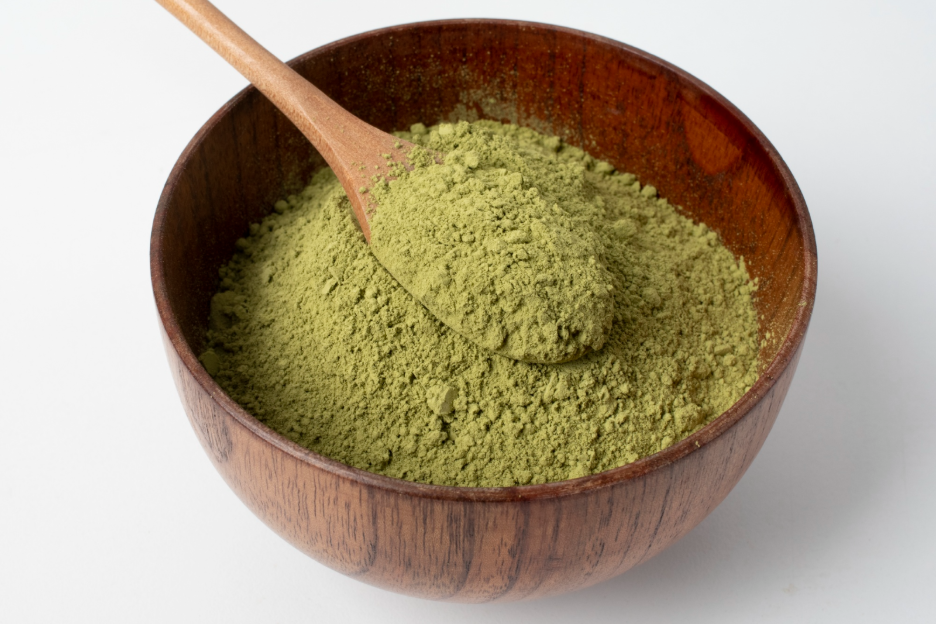
The biggest myth about kratom is that Red, Green, and White vein kratom come from different plant species. In reality, all three originate from the same botanical species, Mitragyna speciosa.
This naturally raises an important question:
If they come from the same plant, what accounts for the differences between these vein categories?
Although kratom products are commonly classified as Red, Green, or White vein varieties, the factors behind these classifications are more complex than leaf maturity alone.
Researchers have found that alkaloid profiles can be influenced by multiple variables, including plant genetics, environmental growing conditions, geographic origin, soil composition, harvesting practices, and post-harvest drying or curing methods.
Because so many variables can affect a kratom leaf’s chemical composition, vein color should be viewed as only one part of a much larger picture. Leaf maturity may contribute to changes in alkaloid development during the plant’s growth cycle, but it is only one factor among many.
Likewise, the visible color of leaf veins does not always correspond directly to a specific alkaloid profile. Studies have shown that significant variation can occur even among batches labeled with the same vein color.
For this reason, users evaluating kratom vein types Canada increasingly rely on laboratory testing and Certificate of Analysis (COA) reports rather than vein color classifications alone. These reports provide a more objective way to assess alkaloid composition, batch consistency, and overall product characteristics.
Understanding these variables helps explain why comparisons between Red, Green, and White vein kratom are best based on documented analytical data rather than assumptions about harvest timing, leaf maturity, or marketing descriptions.
Red Vein Kratom Canada: Alkaloid Profile and Research Patterns
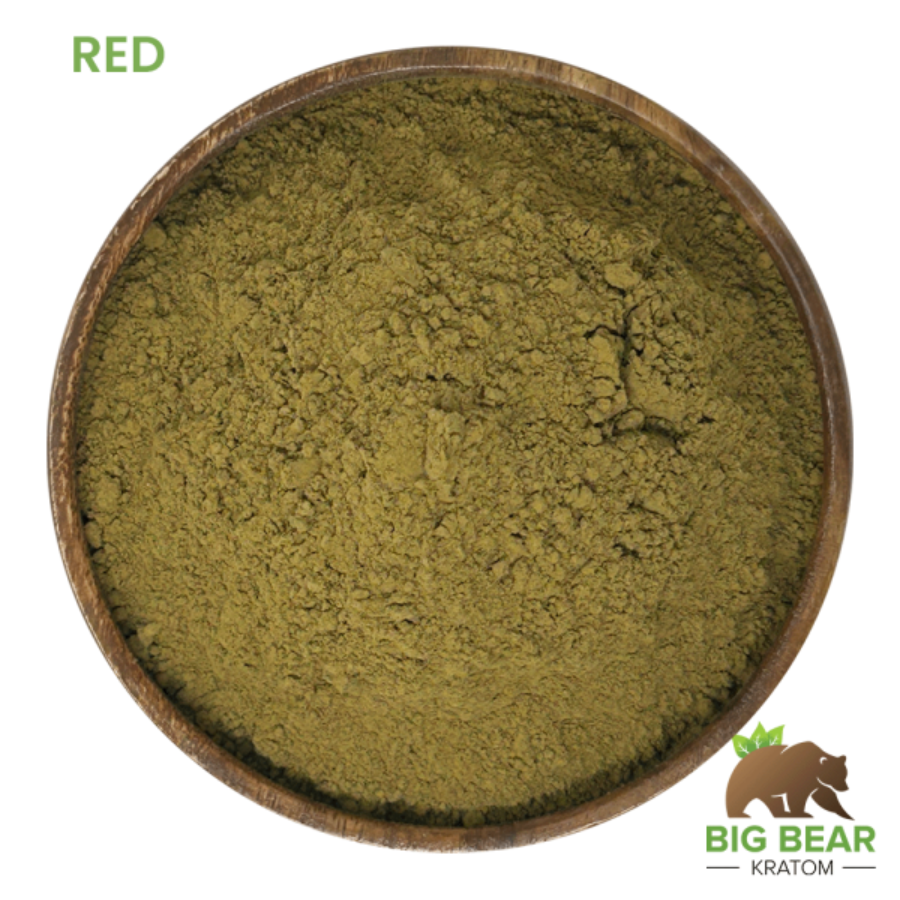
Red vein kratom Canada is one of the most commonly marketed kratom categories and includes products sold under names such as Red Bali, Red Maeng Da, and Red Borneo. While these products share the same vein designation, studies examining commercial kratom products have reported considerable variation in alkaloid composition between batches and suppliers. As a result, products marketed under the same Red vein category may not always exhibit identical chemical profiles.
Because of this variability, buyers should look beyond strain names when comparing Red vein kratom products. Laboratory testing offers a more reliable way to evaluate a batch, providing information about major alkaloids such as mitragynine and other compounds that contribute to the product’s overall chemical profile.
This distinction is particularly important when comparing products marketed as Red vein kratom. Two products carrying the same strain name may exhibit different alkaloid concentrations depending on their source and production history. As a result, vein color and strain labels should be viewed as product categories rather than precise indicators of chemical composition.
For this reason, consumers evaluating Red vein kratom products often rely on third-party laboratory testing to verify product characteristics. Key factors commonly reviewed include:
- Certificate of Analysis (COA) documentation
- Alkaloid concentration data
- Heavy metal screening results
- Microbiological testing results
- Product traceability and origin information
Taken together, these quality indicators provide a more objective basis for evaluating Red vein kratom products than strain names or marketing descriptions alone.
Green Vein Kratom Canada: Alkaloid Profile and Research Patterns
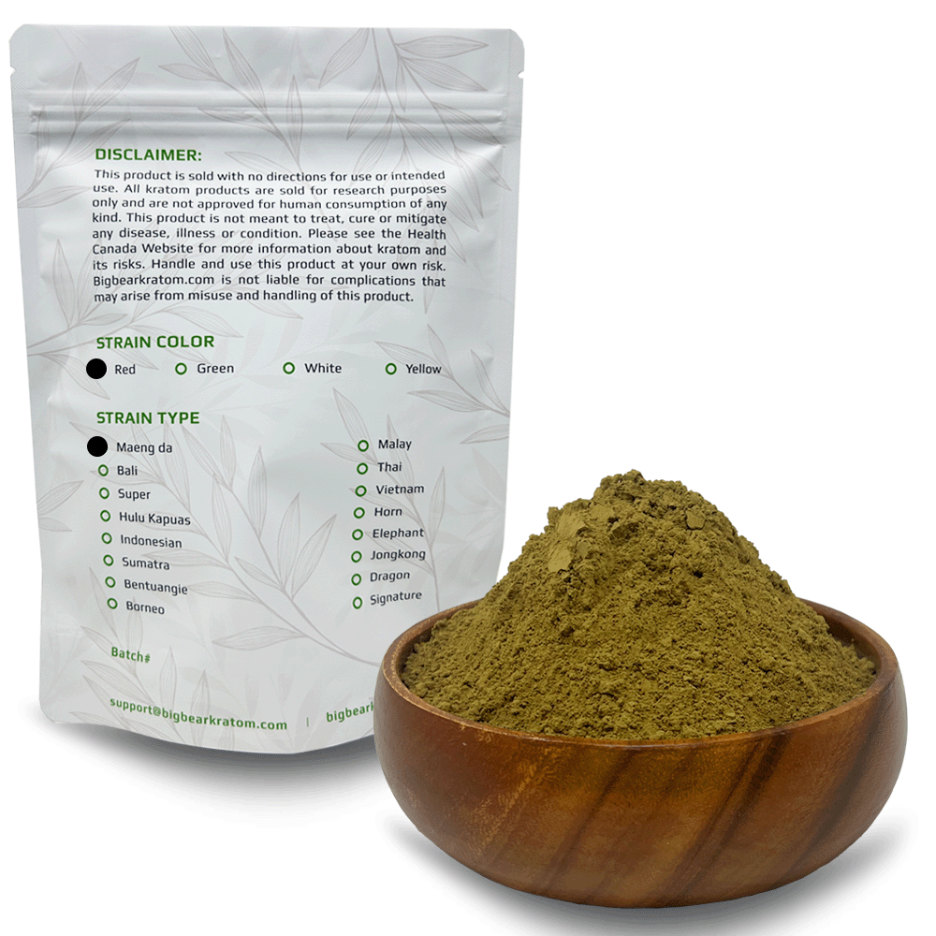
Green vein kratom Canada is another widely marketed category within the kratom industry, with products commonly sold under names such as Green Maeng Da, Green Malay, and Green Borneo. Like Red vein products, these labels are primarily used for classification and marketing purposes rather than as precise indicators of chemical composition.
From a product-evaluation perspective, Green vein products are evaluated in the same way as other kratom categories: through chemical analysis of their alkaloid content.
Studies examining commercial kratom products have identified variation in the concentrations of major alkaloids, including mitragynine, across batches and suppliers. As a result, it is difficult to define a single alkaloid profile that is representative of all green vein products.
Furthermore, products marketed within the Green vein category can still differ from one another in terms of their chemical composition. Consequently, comparisons between Green vein products are most meaningful when they are based on batch-specific data rather than assumptions associated with a particular strain name or vein classification.
White Vein Kratom Canada: A Note on the Third Category
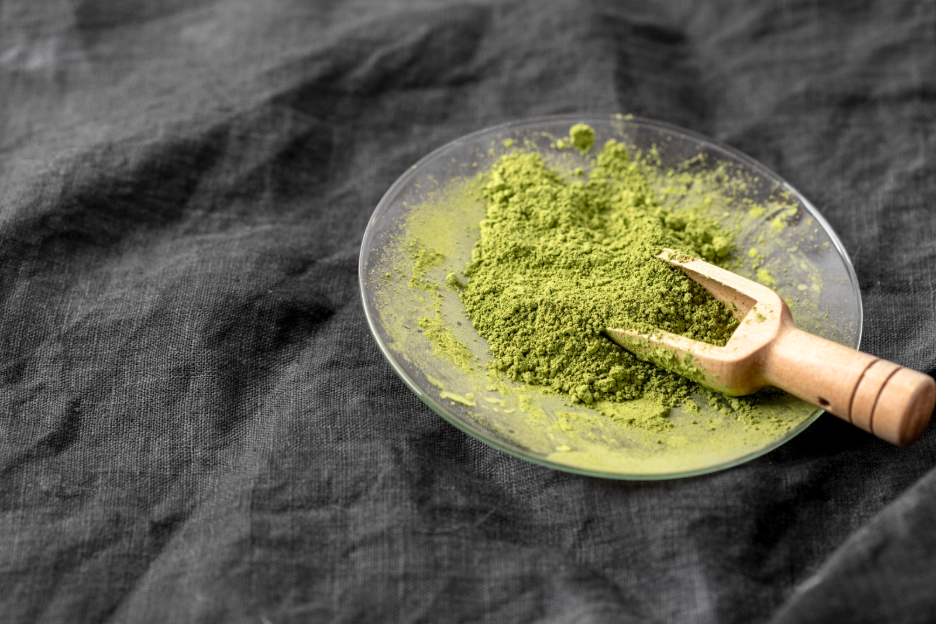
While discussions about kratom often focus on Red and Green vein products, White vein kratom remains an important part of the broader classification system. Products commonly sold under this category include White Maeng Da, White Borneo, and White Thai.
The inclusion of a third vein category highlights the challenge of drawing broad conclusions about kratom products based solely on color designations. As the market has expanded, vein labels have become a common way for vendors to organize product offerings and help consumers navigate a growing number of strains.
For buyers exploring different vein categories, White vein products contribute to the diversity of options available within the marketplace. However, meaningful product comparisons are best made by examining the specific information provided for each batch rather than relying exclusively on category names.
Overall, understanding the role of White vein kratom alongside Red and Green varieties provides a more complete picture of how kratom products are classified and marketed today.
How to Choose Between Red, Green, and White Vein
The most effective way to compare kratom vein types is by focusing on documentation rather than marketing language. So, start by examining available COAs for each batch under consideration.
A quality COA should include:
- Alkaloid percentage analysis
- Heavy metal screening
- Microbiological testing
- Pesticide screening
- Batch identification information
Furthermore, vendor transparency is equally important. Reliable suppliers publish testing documentation and provide clear information about product sourcing, batch identification, and quality-control practices.
Understanding Vein Type Selection
With the rising popularity of Red vein kratom and Green vein kratom, it’s crucial to grasp the meaning behind the vein classification. The term red, green, and white are not the names of different species, but are commercial terms within the kratom industry.
Furthermore, the alkaloid composition can vary due to a variety of factors such as genetic, environmental, cultivation, and post-harvest processing. Therefore, comparisons should be limited to information for a given batch of Kratom and not just by the color of the veins.
Whenever you compare any of the different varieties of Kratom, such as Red Bali Kratom Canada or Green Maeng Da Canda and White vein Kratom, batch-specific COA is the best indicator of botanical qualities. Prioritizing transparency and verified testing allow you to evaluate kratom vein types Canada suppliers offer.
Explore Big Bear Kratom’s Vein Collection
Looking to compare botanical profiles across multiple vein categories?
Explore Big Bear Kratom’s collection of Red, Green, and White vein strains, including Red Bali, Red Maeng Da, Green Maeng Da, and curated variety packs. Each category is supported by research-focused product information, third-party testing documentation, and quality standards that follow AKA guidelines and GMP standards.