

Key Takeaways
- Convenience is the key demand driving the fastest-growth product categories in the Canadian market in 2026, with kratom gummies and extracts standing out as the current top options.
- Kratom gummies are pre-dosed gummy versions of kratom with concentrated extract: They are subject to the same COA documentation requirements as powder and capsules.
- There are different types of kratom extracts, such as liquid tinctures, powder concentrates, and capsule concentrates, and any COA should show concentration ratios and alkaloid panels.
- These new formats reflect Canadians’ buying habits – the convenience of purchase, mobile shopping and pre-measured formats.
- No matter the format — whether gummies or extracts — COAs should show alkaloid percentage, concentration ratio, and microbiological testing along with testing for heavy metals and pesticides.
- In Canada, not all gummy or extract products are lab-tested, so it is important to ask for COAs per batch, depending on the product type, as there are large discrepancies between vendors.
The kratom market in Canada is changing quickly in 2026. Although powders and capsules are the most common forms, newer formats are gaining traction nationwide. Gummies, tinctures, liquid extracts, and other concentrated products are increasingly popular in Canadian online botanical marketplaces.
Vendors are increasingly adding items to their offerings, and buyers now have a wider variety of format options than ever. Convenience, portability, and pre-measured varieties are emerging as key considerations for many consumers. As mobile shopping and ecommerce continue to increase, so has interest in other kratom forms like gummies.
Transparency is also a factor to be taken into account. When comparing products in different categories, buyers are more concerned with alkaloid composition and concentration ratios, Certificates of Analysis (COAs) per batch, and third-party laboratory testing.
In this context, it is essential to learn how these new formats differ for Canadian buyers and researchers. Thus, this blog delves into the expanding presence of gummies and extracts in the evolving landscape of the Canadian kratom industry.
Table of Contents
- The Traditional Formats: Powder and Capsules
- Kratom Gummies Canada: What They Are and How They Differ
- Kratom Extracts Canada: Tinctures, Powders, and Liquids
- How To Evaluate Any New Kratom Format In Canada
- What The Format Shift Means For Canadian Buyers In 2026
- FAQs
- Explore Big Bear Kratom’s Lab-Tested Collection
The Traditional Formats: Powder and Capsules
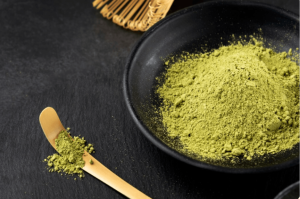
Powder is still the primary form in Canada due to its wide range of strains available and easier botanical sourcing comparisons. Alkaloid percentages, microbiological testing, and heavy metals screening are generally listed clearly on COAs for powder products.
Capsules also remain popular because they contain the same botanical material and are pre-measured. With the growing variety of products available, it is becoming more common for users to make comparisons between kratom capsules vs gummies Canada.
Nonetheless, whatever the format, documentation is important. When comparing products, buyers are advised to check the COAs for each batch and the data on alkaloid composition. Numerous Canadian sellers also adhere to AKA guidelines and GMP standards, which promote transparency and uniformity in traditional kratom forms.
Kratom Gummies Canada: What They Are and How They Differ
As more people are learning about kratom, they are increasingly interested in trying new botanical forms like kratom gummies Canada.
Gummies are typically made with a concentrated extract of kratom combined with a gummy base, which makes it possible for the same alkaloid mix to occur from one gummy to the next.
The rise is seen in the number of searches for buy kratom gummies Canada, which indicates the demand for on-the-go and pre-measured products in the e-commerce market of the country. Gummies do need the same documentation that is looked for in powders or capsules.
A full gummy COA should contain:
- Mitragynine percentage
- 7-hydroxymitragynine percentage
- Heavy metals screening
- Microbiological testing
- Pesticide residue screening
- Moisture analysis
- Batch identification details
For gummies, concentration transparency is particularly crucial since they are made from extract material.
Alkaloid percentages are not always clear in some vendors’ extract blends, nor is the source data, which can make product comparison challenging.
Gummies are a component of a larger trend of diversification by convenience-seeking Canadian consumers.
Kratom Extracts Canada: Tinctures, Powders, and Liquids
Kratom extracts Canada searches have grown since more concentrated botanical forms have come to light. Extracts are typically liquid tinctures, powder concentrates, and concentrated capsules.
Liquid products, also known as kratom tincture Canada or kratom liquid Canada, are concentrated alkaloids suspended in a liquid base. Powder extracts contain botanical material that has been reduced to a concentrated form, while extract capsules contain plant extracts that have been packaged into pre-measured capsules.
Concentration (10:1 or 20:1) is frequently used to describe the concentration of an extract on the label, but without detailed alkaloid testing panels, this information is incomplete.
An extract COA should contain:
- Alkaloid percentages
- Concentration ratio information
- Heavy metals testing
- Pesticide screening
- If applicable, residual solvent testing
- Microbiological analysis
Canadian researchers are now beginning to compare extracts by their cost per alkaloid and not just by package size. The interest in new kratom formats Canada aligns with the increasing demand for convenient dosage options that are backed by clear lab records.
How To Evaluate Any New Kratom Format In Canada

As the market grows, documentation quality is more important than the type of format. Customers buying any product (powder, capsules, gummies, tinctures) should ask for a COA for each batch in which it is sold.
A dependable and reliable Kratom format guide Canada ought to include checking of:
- Batch identification
- Alkaloid panels
- Heavy metals screening
- Microbiological testing
- Pesticide analysis
- Moisture content
- GMP-oriented practices
Researchers should verify if the testing is batch-specific and done separately. One of the biggest red flags for the gummies and extracts is concentration claims with no alkaloid information.
What The Format Shift Means For Canadian Buyers In 2026
Canada’s kratom marketplace is developing in tandem with convenience-first shopping habits. Some of the hottest trends include gummies and extracts, which resonate with the e-commerce lifestyle and the pre-measured market.
Although still a key part of the market, powders and capsules are now increasingly subject to demands for greater variety of formats and higher documentation standards. COA transparency and sourcing practices towards GMP will be the key differentiators for vendors as competition increases.
Frequently Asked Questions (FAQ)
1. Are kratom gummies available in Canada?
2. How do kratom gummies differ from capsules?
3. What should a COA for kratom gummies or extracts include?
4. Are kratom tinctures legal in Canada?
5. Which kratom format is right for me?
Navigating Canada’s Expanding Kratom Format Market
Canada’s kratom market continues to expand beyond traditional powders and capsules. The growing popularity of gummies, tinctures, liquid extracts, and other concentrated formats reflects changing buyer preferences and increasing demand for convenience-focused products.
As format options continue to diversify, transparency remains the most important factor when evaluating any product. Batch-specific COAs, alkaloid composition data, concentration ratios, and third-party laboratory testing should remain central to the decision-making process.
For those looking to compare formats with confidence, explore Big Bear Kratom’s lab-tested collection. Canadian researchers can review powders, capsules, and extract formats supported by batch-level testing practices, AKA guideline alignment, GMP-oriented standards, and transparent botanical documentation for research purposes only.